A Comprehensive Guide for Reading a Credit Report
It’s important to check your credit report, but even more crucial to understand it. Here’s how to read it and deal with what you see.

FDIC-Insured - Backed by the full faith and credit of the U.S. Government

Author: Jorge Labrador
June 06, 2025
Topics:
Credit ScoreCredit ReportCredit CardCredit language can be confusing. Learn how credit scores are different from credit reports, what credit reporting agencies are, and how they all relate.

Credit scores and credit reports are far more accessible to the general public these days, but there is still a bit of confusion around what exactly they are.
Then, you throw in related terms like, credit reporting agencies, credit bureaus, FICO score and VantageScore… and you can see why someone getting started in the world of credit might feel like they need a study guide.
Let’s clear up some of the confusion between these concepts with some quick explanations.
What Is a Credit Reporting Agency?
The U.S. has three main credit reporting agencies: Experian, Equifax and TransUnion.
Sometimes referred to as credit bureaus or consumer reporting agencies, these organizations compile publicly available data and information supplied by lenders into credit reports.
So, credit reporting agencies create credit reports. Easy peasy.
Now that we’ve covered credit reporting agencies, let’s look at credit reports.
A credit report is basically a record of your credit history. It contains information like your name, current and past addresses and court records, plus a wide range of credit history items reported by lenders. Because of all the info it contains, it can be several pages long.
But there’s something to note here: There are a lot of lenders and not all of them share data with all three — or any — agencies. So, each agency might generate a slightly different credit report for the same person.
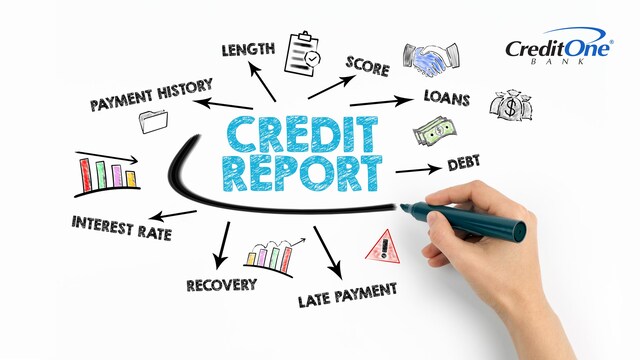
A credit report will include items like:
Now, did you notice that “credit score” isn’t on that list?
Credit scores aren’t generally featured on credit reports, even though most people think they are. But the two are closely linked.
Most people know that credit scores and credit reports both play a role in things like getting approved for credit, but how do they differ?
Well, a credit report is a record of your credit history. But a credit score is a three-digit number derived from what’s on a credit report. So a credit report is like a school report card while a credit score is like your grade in one class.
Think of your credit score as a rating or summary of your credit history. Lenders can use credit scores to more easily determine who to lend credit to and under what terms.
And how do we get from a list of items to a number? With the help of scoring models.
These are complex, proprietary equations which incorporate factors on your credit report like payment history, credit utilization and the age of your credit accounts.
And that’s how you get a credit score out of a credit report. But there’s still a little bit more to look at.
Remember how there are three major credit reporting agencies, and each one produces its own credit reports?
Well, there are also two major providers of credit scoring models: FICO and VantageScore.
Both companies currently use a credit score range of 300-850 and consider similar factors from your credit report in their scoring models.
But each uses their own unique models for credit scores. So, you can expect to see a difference between your FICO Score and your VantageScore.
And beyond that, scores can differ based on which bureau’s credit report was used to calculate it, since those could have slightly different information.
If that sounds like a lot, it is. You might even be surprised by just how many credit scores you have. But that can be a deeper dive for another day.
You’ve probably heard about the major credit reporting agencies, credit reports and credit scores before, since they’re essential parts of modern life. But it’s better to understand how things work. As they say, knowledge is power.
Now that you know how these concepts differ from — and relate to — each other, you’ve built a good foundation of knowledge, which you can use to better navigate the credit system.
This material is for informational purposes only and is not intended to replace the advice of a qualified tax advisor, attorney or financial advisor. Readers should consult with their own tax advisor, attorney or financial advisor with regard to their personal situations.