What Is a Charge-Off?
Household credit card debt rose by $38 billion in the third quarter of 2022, reaching $0.93 trillion—which represents a 15% year-over-year increase of $121 billion—according

Author: Heather Vale
May 01, 2025
Topics:
Credit CardDebtBuilding CreditWhat happens when your credit card gets charged off? Discover the impact on your credit, how debt collection works, and steps to reduce the effects.

In this article:
If you’ve ever found yourself wondering what happens when a credit card is charged off — whether just out of curiosity or because of personal experience — the answer is relatively simple. But at the same time, there are several parameters and possible outcomes you should be aware of.
Credit card charge-offs have a major impact on consumers, so understanding the process is a great first defense for your credit score.
A charge-off is sometimes called a write-off, and it means the creditor has decided that you’re probably not going to pay your credit card balance. They write off the debt as uncollectible because further efforts to get payment would be a waste of their resources.
This doesn’t mean you’re off the hook, though. You still owe the debt, and your credit score is likely to take a hit.
Creditors may rely on a set number of missed payments in determining when to charge off a debt, but they could also have a more complicated calculation at play. Factors include how delinquent the account is, how old it was before it became delinquent, and what results have come from their collection efforts with you.
By the time an account is charged off, the creditor has probably tried calling you multiple times, asking you to bring your account current. And during that process, you’ve either ignored them, refused to pay, or promised to pay without following through.
You know that old adage about not being able to get water from a stone? Well, when a creditor doesn’t think they can get water from a cardmember’s stone, they’ll pass that stone to a thirstier entity. Enter the collections agency.
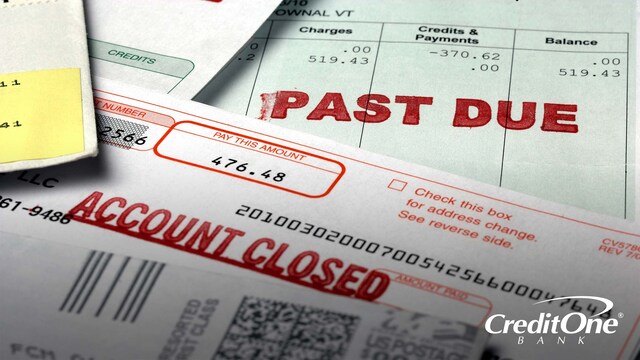
If your credit card gets charged off, your account is immediately closed, and you can’t use it anymore. Then the debt is usually sold to a collections agency, who will try to get money from you. That could be the full balance, or they may offer a reduced payment amount to settle the debt. They also might sue you or garnish your wages.
It typically takes 180 days — or six months — of non-payment before an account is charged off. However, some creditors may charge off an account sooner or later than that. Four months, or 120 days, is another common benchmark.
Charge-offs and collections both occur when an account isn’t paid, but they’re not the same thing.
For the first few months of non-payment, the credit card company itself usually attempts collections. Once a creditor charges off an account and sells it to a debt collection agency, that collector pursues payment. They may send letters or emails, make phone calls, or even try to contact you through social media.
The impact on your credit is more complicated than it might seem at first glance. The truth is that a charge-off isn’t just one ding to your credit score or one line item on your credit report — it’s a culmination of many things that can add up to a lot.
Each missed payment has the potential to appear on your credit report, and therefore negatively affect your credit score. By the time your account is charged off, if you’ve logged six or more missed payments, you’ve likely received that many hits to your score.
The amount that each misstep impacts your credit score varies by your original score. If you’re starting with very good credit, a single missed payment can cost you more than 80 points, according to credit score company FICO®. If you have fair credit to begin with, you’re looking at around 30 points per missed payment. By the time you’re 90 days past due, you can expect to have lost as many as 130 points just from the late payments.
The charge-off itself may take a further toll on your score by introducing another negative line item. In addition, the closed account raises your credit utilization ratio by reducing your available credit, which can also hurt your credit score. All told, it’s not unusual for your score to drop 100 to 150 points (or more) from a charge-off.
If you can turn things around, and start to rebuild positive credit history, the impact from a charge-off lessens over time. But we may be talking years here.
Charge-offs typically stay on your credit report for seven years. During that time, they affect your ability to get new credit, including credit cards, mortgages, and other loans.
Having an account charged off is a serious situation. So the best way to deal with a charge-off is to avoid it in the first place.
You can avoid having your account charged off by making at least the minimum payments due, every time, on time. If you’re struggling with even the minimum, communicate with your creditors and let them know about your current situation.
Even though they don’t always actively promote it, many banks and credit card issuers offer hardship programs to borrowers who are temporarily having financial problems.
These programs might include:
Eligibility can be any financial hardship, including job loss, divorce, a medical emergency, or a natural disaster. If your creditor doesn’t have any relief available, you can explore other options, like debt settlement, debt consolidation, balance transfers, or credit counseling.
If you weren’t able to nip charge-off proceedings in the bud, you’ll have to deal with the collections agency. Since you still owe the debt, the best course of action is to negotiate a settlement.
You will probably be asked to pay the debt in full, but sometimes the settlement figure is less than the amount owing. If you can’t afford to pay upfront, you can set up a payment plan.
Once your credit card account is charged off, the outcome depends primarily on how you choose to work with the debt collector.
Let’s be honest — nobody enjoys getting a call from a collections agency. The representatives may attempt to throw you off your game and get the upper hand. But even if the agent is as sweet as sugar, you might find the conversation difficult.
The best tip is to stay calm. Take a deep breath. There’s nothing to be gained by getting emotional or angry.
Before you discuss anything, request written validation of the debt. This not only protects you from paying a debt you don’t owe, but it also gives you the cold, hard facts to refer to. And if there are any errors in the documentation, you can deal with them.
Finally, be assertive — but not aggressive. Remain polite yet firm as you state your case, treating it like a business negotiation (which it is).
Yes, you owe the debt. Yes, you should be willing to pay. But always be prepared to negotiate terms, and seek a better deal whenever possible.
It’s also important to understand your rights under the Fair Debt Collection Practices Act (FDCPA), which was put in place to protect consumers from abusive, deceptive, or unfair debt-collection practices. For example, a debt collector can’t just call you in the middle of the night, contact your family members, threaten you, harass you, or pretend to be someone else.
Having a credit card charged off isn’t fun. Neither is being put in collections. And both these things — as well as the missed payments leading up to them — can take a serious toll on your credit score.
The best course of action is to pay all your bills on time, so you can avoid the stress and hassle of going through debt collection. If you’ve already made some mistakes that took you down this road, remember that you can rebuild your credit over time. And a credit card specifically designed for rebuilding credit can help you make the most of that journey, so you arrive at your destination with a renewed sense of purpose.

About the author:
Heather ValeHeather is an accomplished writer and editor in the financial and business industries, with expertise in credit building, investments, cryptocurrency, entrepreneurship, and thought leadership. She loves investigating and pulling apart complicated topics to make them simple, engaging, and easy to understand. But she also enjoys writing about the personal side of life, including self-help, creativity, relationships, families, and pets. She approaches everything from a yin-yang perspective, so her passion for wordplay and metaphors is always balanced with an intense focus on accuracy. Heather has a BFA in Visual Arts from York University, and has worked as a journalist in all media: TV, radio, print, and online.
This material is for informational purposes only and is not intended to replace the advice of a qualified tax advisor, attorney or financial advisor. Readers should consult with their own tax advisor, attorney or financial advisor with regard to their personal situations.